
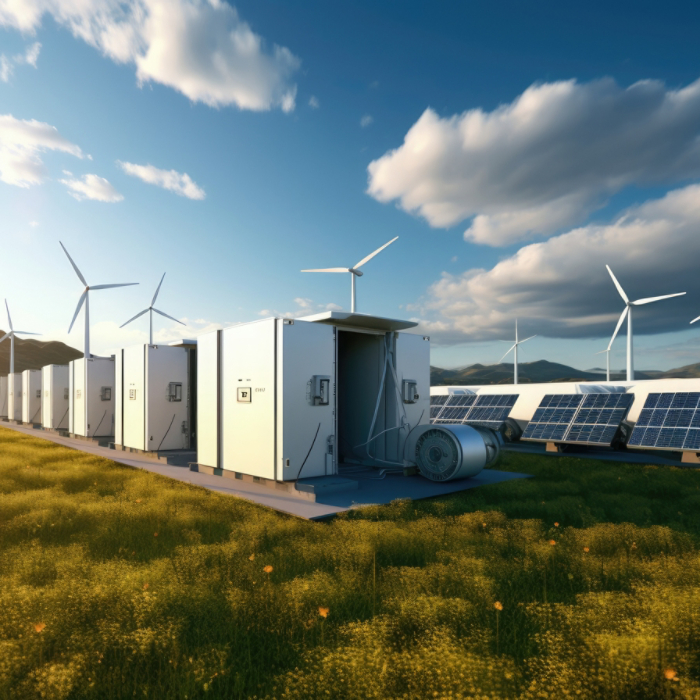

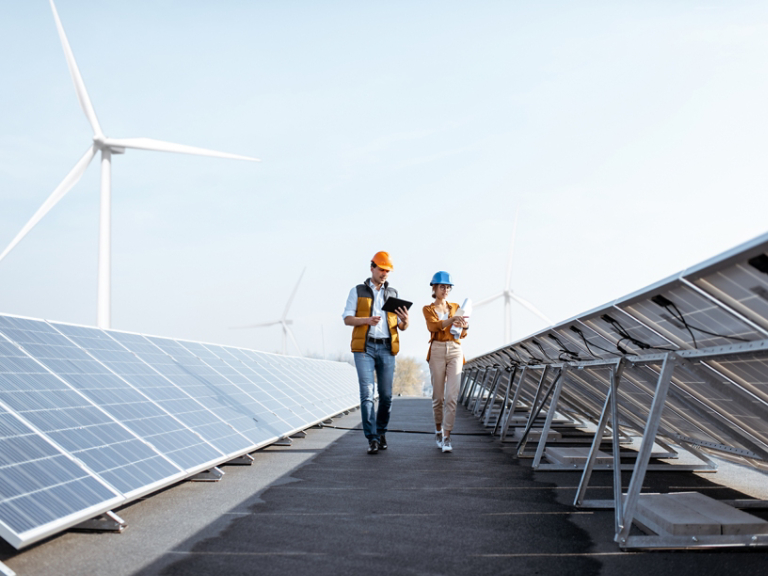
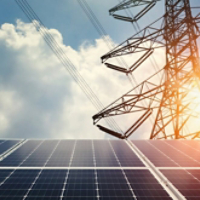
Examples of on-site renewable energy solutions commonly used for buildings include solar panels that convert sunlight into electricity and geothermal systems that use heat from the earth to provide energy for heating, cooling, or power generation. Other renewable solutions for the grid include hydropower, wind, biomass, and more. These technologies help reduce reliance on fossil fuels and promote sustainability.
Overview & Benefits
Have you considered how on-site renewables and energy storage can make your facility more resilient?
-

Lower Energy Costs & Boost ROI
Renewables can reduce grid reliance and utility expenses. Energy storage captures low-cost energy for use during price spikes, helping control costs, and protect your bottom line.
-
Enhanced Resilience & Reliability
Renewables and storage safeguard operations, keeping power steady and productivity uninterrupted, even during outages.
-

Advance Sustainability Goals
Integrating renewable energy solutions and energy storage helps cut emissions and accelerate progress toward your sustainability objectives.
-

Visible Environmental Commitment
Showcase sustainability, drive stakeholder and community engagement, and enhance brand reputation.
Finding the Right Renewable Energy Solutions
Develop a smart energy plan with on-site clean energy and efficiency to boost resilience.
-
Use intelligent systems to efficiently store and distribute renewables, increase reliability, and reduce waste.
FAQs
Your renewable energy and energy storage questions, answered
Renewable energy solutions are important because they help reduce our reliance on fossil fuels, cut greenhouse gas emissions, and support a cleaner, healthier environment. By switching to naturally replenished sources like solar and wind, we can meet today’s energy needs while building a better tomorrow.
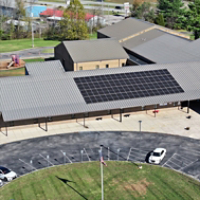
Trane delivers commercial renewable solutions including ground mount solar, rooftop solar, solar canopy systems, distributed energy resources (DERs), geothermal energy, and thermal energy storage—engineered for commercial, industrial, and institutional settings.
Renewable energy production depends on natural factors, like the sun shining or the wind blowing, which don’t always align with when energy is needed. Storage allows us to save surplus renewable energy and use it during periods of high demand or lower generation, ensuring a reliable and resilient electric grid, preventing clean energy from going to waste, and potentially lowering costs.
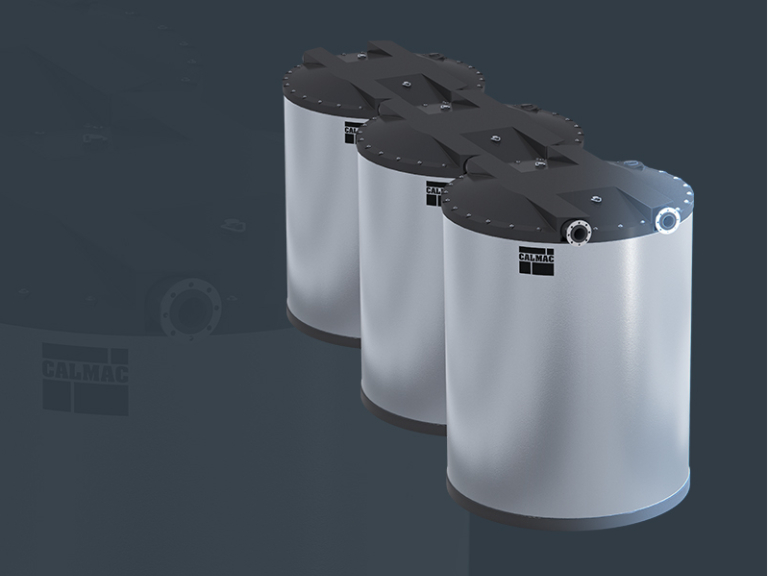
Thermal energy storage can store energy from renewable solar production. This maximizes the use of renewable generation, optimizes operating costs, and boosts facility resiliency.
Thermal energy storage stores heat or cold for later use, helping to manage energy demand and improve resilience. In contrast, renewable energy generates electricity or heat from naturally replenished sources like solar or wind. While thermal energy storage is created using HVAC systems to produce ice during off-peak hours which is stored for later cooling needs, renewable energy specifically refers to the production of energy from sustainable resources.
Customer Stories
Trane is your comprehensive energy collaborator
Trane’s holistic approach to energy will help you maximize savings and meet business goals with a balanced plan that supports your needs. See how that’s translated to other customers.

Related Solutions
-
Behind-the-meter load flexibility helps building owners and facility leaders increase energy cost resiliency and sustainability. Trane Energy Storage Solutions provide the flexibility needed to focus on your core business.
-
Empower energy independence with distributed energy resources. Trane can help you create an effective strategy tailored to your business needs and objectives.
Resources & Insights
Learn more from our experts
-
Getting to Low Carbon Buildings with Thermal Energy Storage
This year, there has been a lot of news around thermal energy storage as a way to reduce carbon emissions, and for good reason. Read more for two of the latest trends. -
Now is the Time to Optimize Your Building's Grid Resiliency
Learn how you can get ahead of future strains on the power grid – whether due to temperature spikes, intermittent or variable renewable resources, or raging wild fires Discover why and how to optimize your building’s grid resiliency from systems, services and controls to energy sources.
Connect with an expert.
Still not sure which solution is right for you? Connect with a Trane expert.
Prefer to chat with someone at your local Trane office?