

Building decarbonization isn’t just about how a building operates—it considers the whole lifecycle, from design and construction to everyday use and even end-of-life. It is the process of preventing or reducing carbon gases from being released into the atmosphere, often as the result of burning fossil fuels that emit greenhouse gases. Much like vehicles that are reducing emissions by becoming more fuel efficient, or powered by electric batteries, buildings are decarbonizing, too.
Overview
Decarbonizing Your Building and Infrastructure
Trane can help you create strategies to help you reduce emissions and environmental impact to support your business goals.
-

Energy Efficiency Optimization
Reducing your building’s energy use lowers grid demand and carbon emissions—a key step in decarbonizing your building. Our solutions integrate high-efficiency equipment, smart controls, and energy management services.
-

Electrification of Building Systems
As the grid shifts to cleaner energy, electrifying building systems reduces emissions. We help you choose the right equipment, operate it cost-effectively, and maintain reliability and efficiency.
-

Reduce the impact of refrigerant-related greenhouse gases by right-sizing equipment to minimize refrigerant needs and properly managing refrigerants to mitigate leaks.
-

On-Site Renewables and Energy Storage
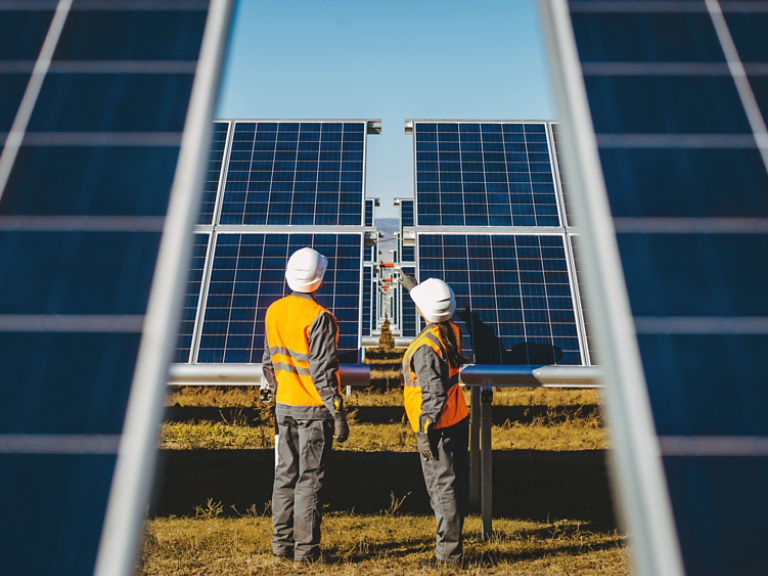
On-site renewables like solar cut grid reliance and emissions. Storing excess energy—electric or thermal—helps minimize emissions and control costs by shifting usage away from costly peak hours.
Key Features
Complete Building Decarbonization Services
Trane provides complete building decarbonization - from assessment and planning, to funding, implementation, and verified performance.
-

Assessing Goals, Facilities, and Operations
Analyze energy consumption and emissions, identify deferred maintenance issues, and quantify improvement opportunities to guide effective decarbonization planning.
-

Decarbonization Planning & Sequencing
Expert-led data-driven sequencing of solution implementation helps maximize impact while minimizing investment.
-

Funding and Incentive Alignment
Access government and utility incentives to maximize ROI on decarbonization initiatives.
-

Turnkey Implementation & Services
We deliver full-service installation, commissioning, and system integration, including ongoing performance measurement and reporting.
FAQs
Your questions about building decarbonization solutions, answered.
When a building uses less energy from fossil fuels, it releases less greenhouse gases into the air. That means fewer emissions that warm the planet. Decarbonizing buildings, by making them more efficient and powering them with clean energy, directly supports local, national, and global climate targets. It also can help save energy costs in the long run.
Decarbonization strategies include making buildings more energy efficient and switching to electric systems, keeping up with good operations and maintenance, using low-GWP refrigerants and better refrigerant management, adding renewable energy and energy storage, choosing low-carbon building materials to lower embodied carbon, and using electricity from a decarbonized grid.
Decarbonization is the big goal—reducing or eliminating carbon emissions from your building’s energy use. Electrification is one way to get there. When you electrify, you replace equipment that uses fossil fuels (like furnaces, boilers, or water heaters) with electrified equipment. When the energy from the grid is cleaner than the fossil fuels that were previously powering equipment, it reduces the overall Scope 1 emissions of the building. Electrification is a step toward decarbonization, and you can also decarbonize by improving efficiency or using renewable energy.
Operational carbon is carbon released from energy and water use while the building from the operation of a building —for example, heating, cooling, lighting, and water systems. Embodied carbon includes all the carbon emitted from making, transporting, and installing materials, construction, refrigerant leaks, renovations, and demolition—everything in a building’s life that isn’t part of regular operations. Together, these make up the building’s whole lifecycle emissions.
Customer Stories
See how we’ve helped customers like you.
-
-

Electrifying a luxury retail icon: Trane and Bergdorf Goodman
Together with Trane and Trane Technologies, the Neiman Marcus Group marks Earth Day by taking its New York City landmark building Bergdorf Goodman Women’s Store from gas power to fully electric power, for a greener-energy future. Take a look at this vital step in their highly customized decarbonization journey. -
New Mexico’s Green Energy Project
New Mexico used renewable energy sources and energy-efficient Trane products and services in its State Buildings Green Energy Project. -
-
Decarbonizing Buildings with AI’s Help
Trane Autonomous Control powered by BrainBox AI® helped an industry leader with decarbonizing its buildings, reducing 1,132 mtCO2e and save $329k in energy costs.


Related Solutions
-
When electrification of heat becomes part of your building’s decarbonization journey, contact your Trane office. We can support you every step of the way.
-
Renewable Energy Solutions & Energy Storage
Deploy renewable energy and storage technologies to achieve sustainability and operational resilience. Explore solutions for a cleaner, more cost-effective operation. -
Advance your mission with Trane as your dedicated partner in creating lasting improvements for your people, facilities, and future.
-
-
Energy Monitoring and Validation
Monitoring and validation bring transparency to your building’s performance, helping you identify opportunities and take smarter, next steps. -
Stay ahead of evolving building regulations with Trane. Navigate energy codes, emissions limits, IAQ standards, refrigerant rules, and more.
-
Insights on the major laws, policies and incentives impacting commercial buildings today and expert guidance to help you adapt for tomorrow.
-
Empower Your Organization with Energy Efficiency Solutions
Whether you’re pursuing sustainability goals, seeking compliance with local regulations, or aiming to lower operating expenses, energy efficient HVAC solutions, controls, and service programs are a powerful ally in advancing your organization’s strategy.




Expert Insights
Explore more resources
-
North Shore School District 112 and Trane Establish New Benchmarks for Sustainability and Efficiency.
-
Join us as we delve into a live case study with EnerSys, a leader in sustainable practices, to explore the intricacies of balancing a portfolio of energy efficiency (EE) and electrification projects within sustainability goals.
-